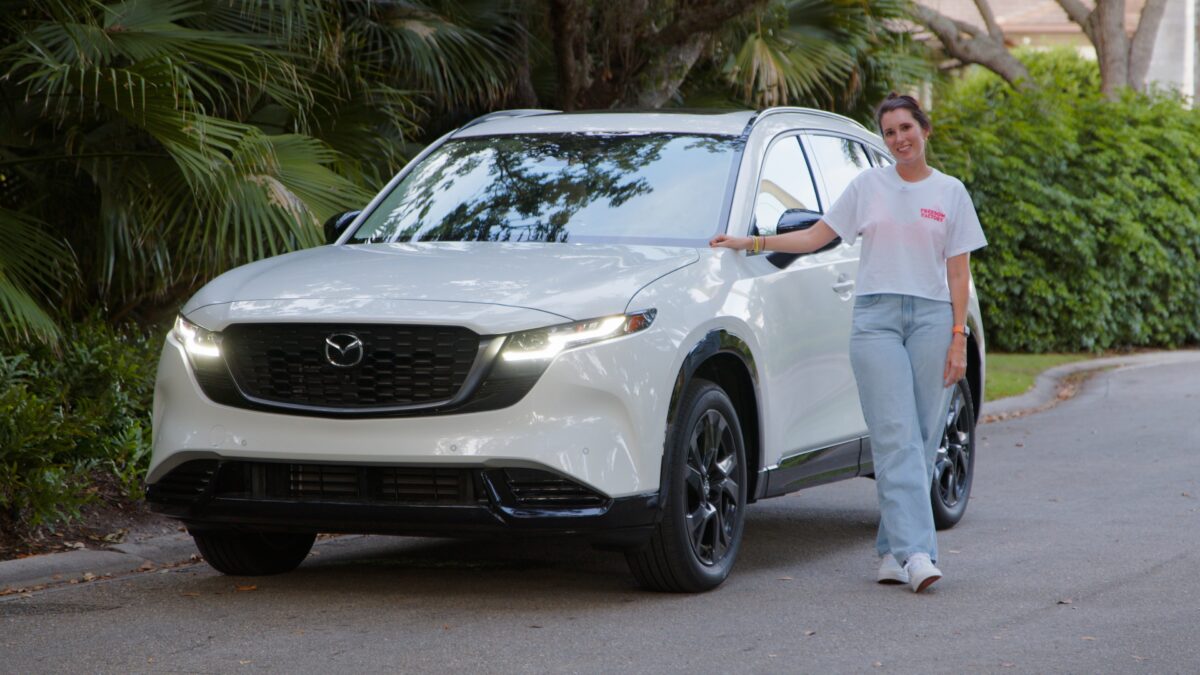
Mazda is one of the brands I’m especially familiar with. I’ve reviewed pretty much every vehicle in their lineup over the years (like the CX-30 from years ago!) and spent enough time with them to know the infotainment systems pretty well. If you recall, I got to spend some time with the new CX-5 on the First Drive event back in February, and we had a lovely day together. Fast forward a few months, and Mazda was nice enough to send me the 2026 CX-5 2.5 S Premium Plus.
If you are here, perhaps you’re already familiar with the changes to the 2026 CX-5. If not, let’s get into it.
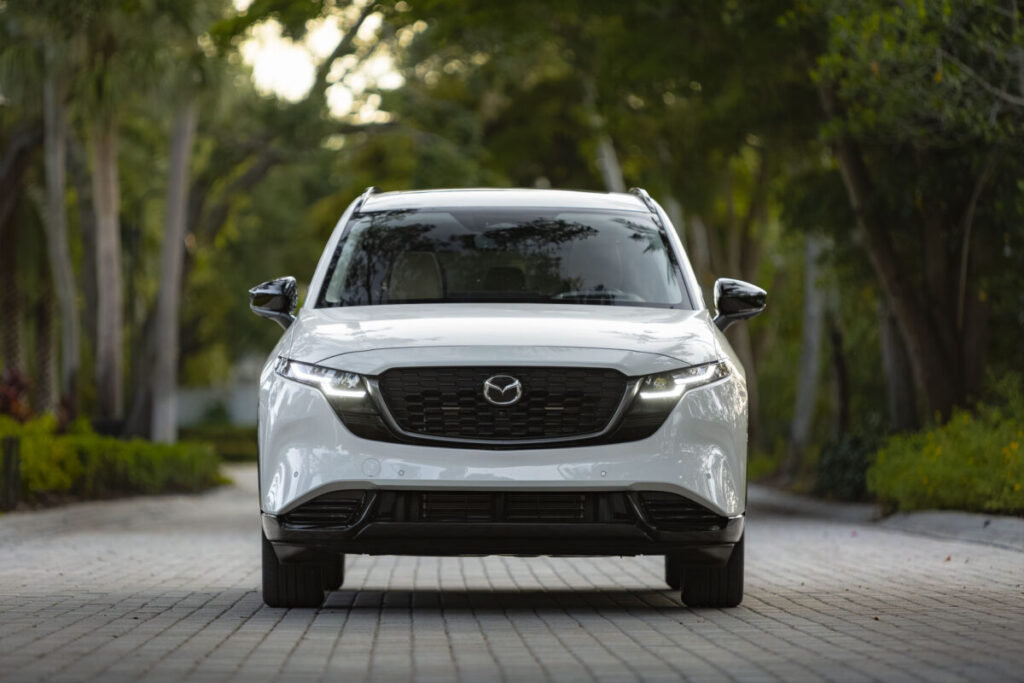
2026 Mazda CX-5 Premium Plus: First Impressions And Exterior Design
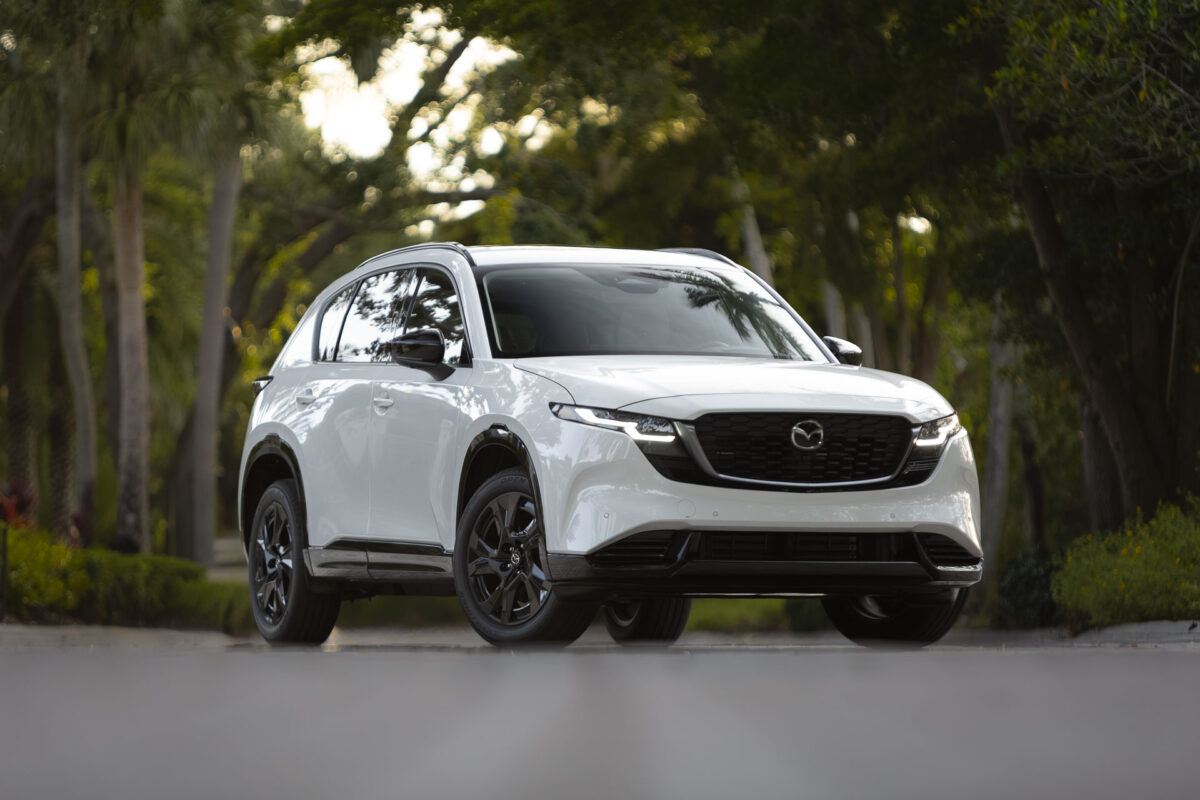
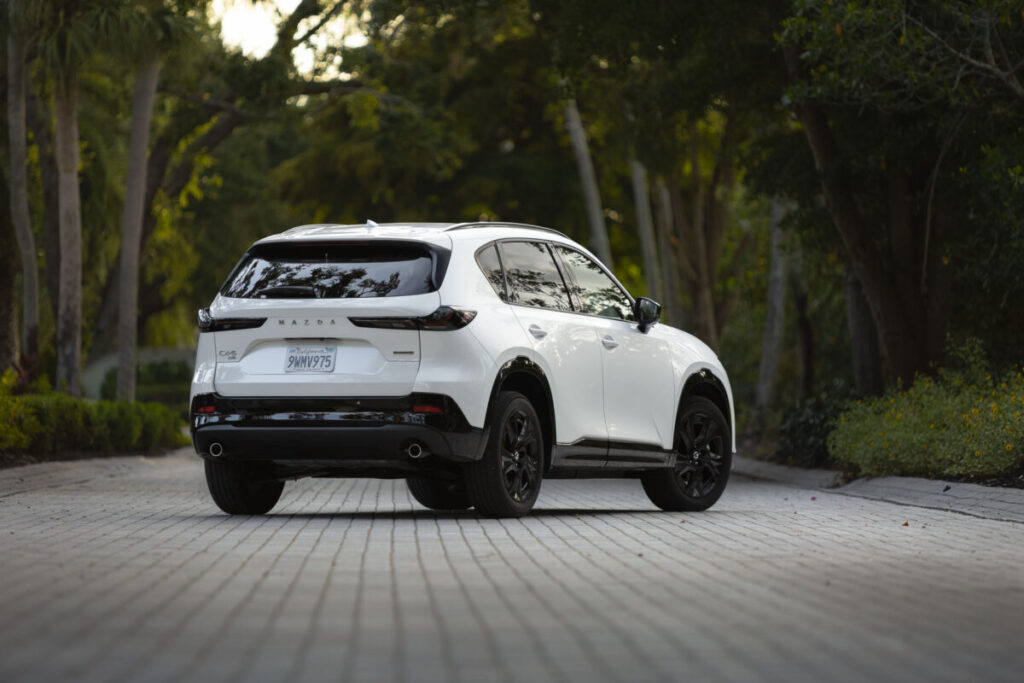
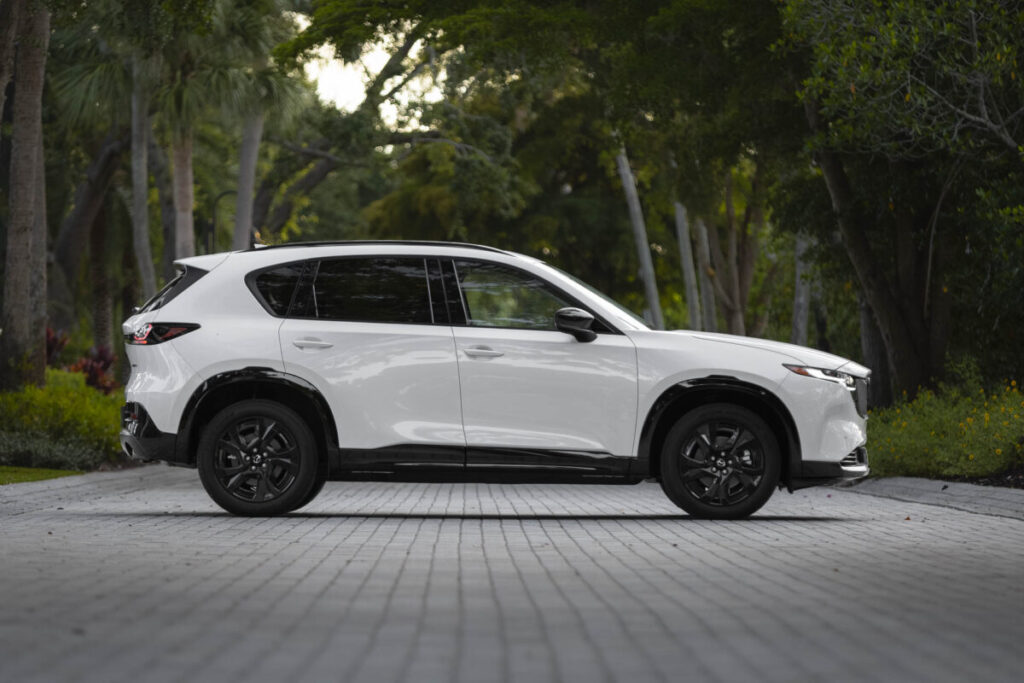
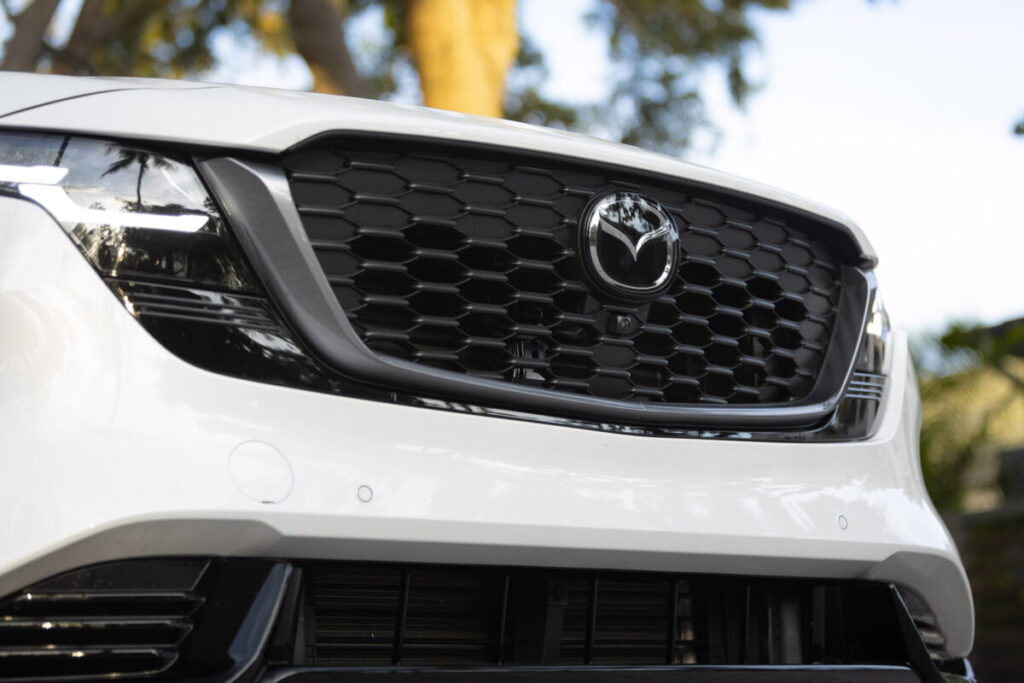
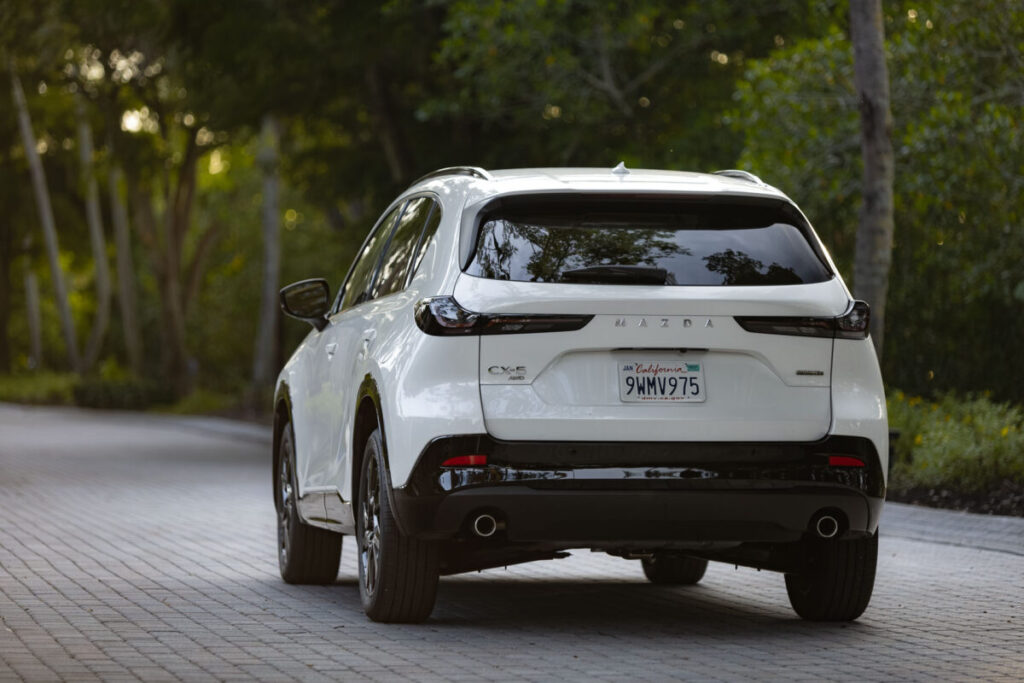
The 2026 CX-5 received some minor exterior changes this year, thanks to Mazda’s love of Kodo design; we get a familiar exterior. It looks a little updated and a little more grown-up, but it is still instantly recognizable as the CX-5. Mazda’s emphasis on the traditional Japanese architecture principle called “Kigumi” is also evident in some of the body lines.
Since we had the S Premium Plus trim, we had some nice additions like LED headlights with auto-leveling and an Adaptive Front-Lighting System. These were actually quite impressive in the dark: they let the way in advance and provided great visibility. It also comes with Piano Black Lower Bumpers, Rocker Molding, and Wheel Arches; Automatic/Heated Side Mirrors; Roof Rails; Rain Sensing; and Variable Intermittent Windshield Wipers.
For 2026, the CX-5 starts at $29,990, which does not include the Delivery, Processing, and Handling fee of $1,495. Here’s how the pricing stacks up for the whole lineup this year:
| CX-5 2.5 S | $29,990 |
| CX-5 2.5 S Select | $31,990 |
| CX-5 2.5 S Preferred | $34,250 |
| CX-5 2.5 S Premium | $36,900 |
| CX-5 2.5 S Premium Plus | $38,990 |
Our test vehicle came priced as such:
- Base MSRP: $38,990
- Rhodium White Metallic Paint: $595
- Delivery, Processing, and Handling fee: $1,495
- Total: $41,080
The CX-5 remains one of Mazda’s most affordable models, and as the brand’s best-selling vehicle worldwide, it’s easy to see why.
What It’s Like To Drive
| Category | Spec |
|---|---|
| Engine | 2.5-liter SkyActiv-G 4-cylinder |
| Horsepower | 187 HP |
| Torque | 186 LB-FT |
| Transmission | 6-speed automatic transmission |
| 0-60 MPH | 8.0+ Seconds |
| Top Speed | 116 MPH |
| Curb Weight | 3,856 LBS |
| MPG | 26/24/30 MPG (Combined/city/highway) |
| Starting Price | $29,990 |
| As-Tested Price | $41,080 |
The hallmarks of the CX-5, or any Mazda, for that matter, are that it has an above-average driving experience. They just want you to feel a little more connected to the vehicle than your average car or SUV, and that remains true with the CX-5. It drives great, feels nice on the road, and handles like a more expensive vehicle.
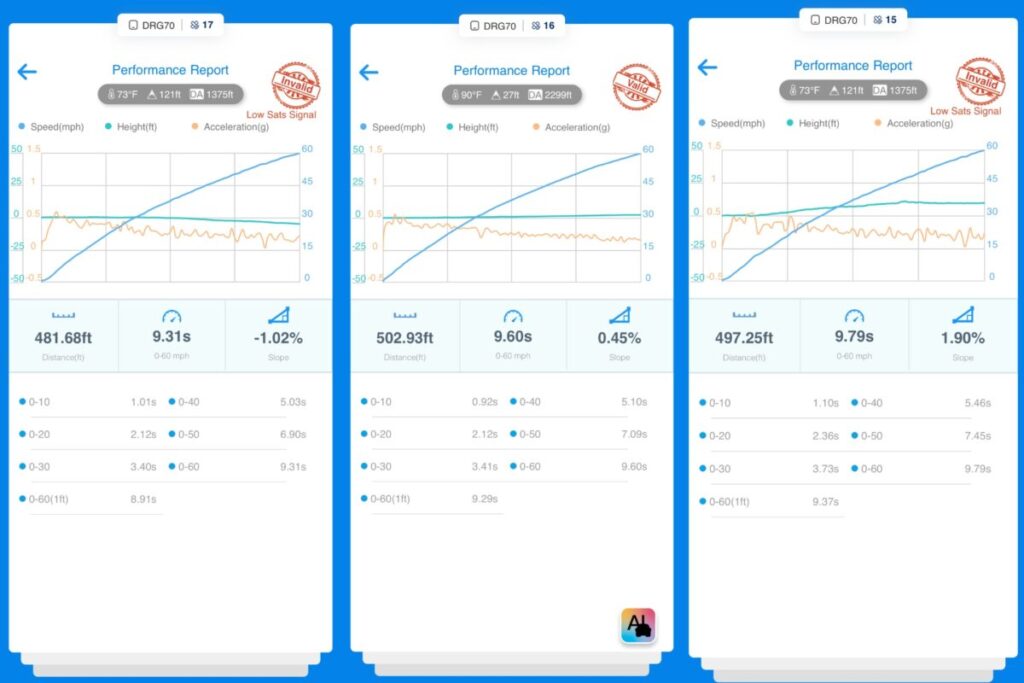
One thing Mazda did not change very much is the engine, carrying over the 2.5-liter SkyActiv-G four-cylinder engine with 187 horsepower and 185 lb-ft of torque. It’s paired with a 6-speed automatic transmission and standard i-Activ All-Wheel Drive. I do wish we got a little power bump, just for fun. During my 0-60 MPH testing, I enlisted a new friend. I purchased a dragy, a GPS-based performance meter to help me record more accurate times. I learned that it needs to be in a position where it can connect with the satellites, which is why two of them say “invalid”. Regardless, these times ranged from 9.31 to 9.79 seconds. See why I want some more power?
For a lot of people, that’s probably fine. I just wish it were a little quicker and a little less loud, because this bad boy drones when you step on it. Mazda mentioned there might be a hybrid version in the works for next year, which would hopefully add a little extra power for those who want it.
Otherwise, the CX-5 still offers one of the best driving experiences for vehicles in its class. It handles well, has a solid cabin, and all of the ADAS work well to keep you safe on the road.
Interior, Tech, And Daily Usability
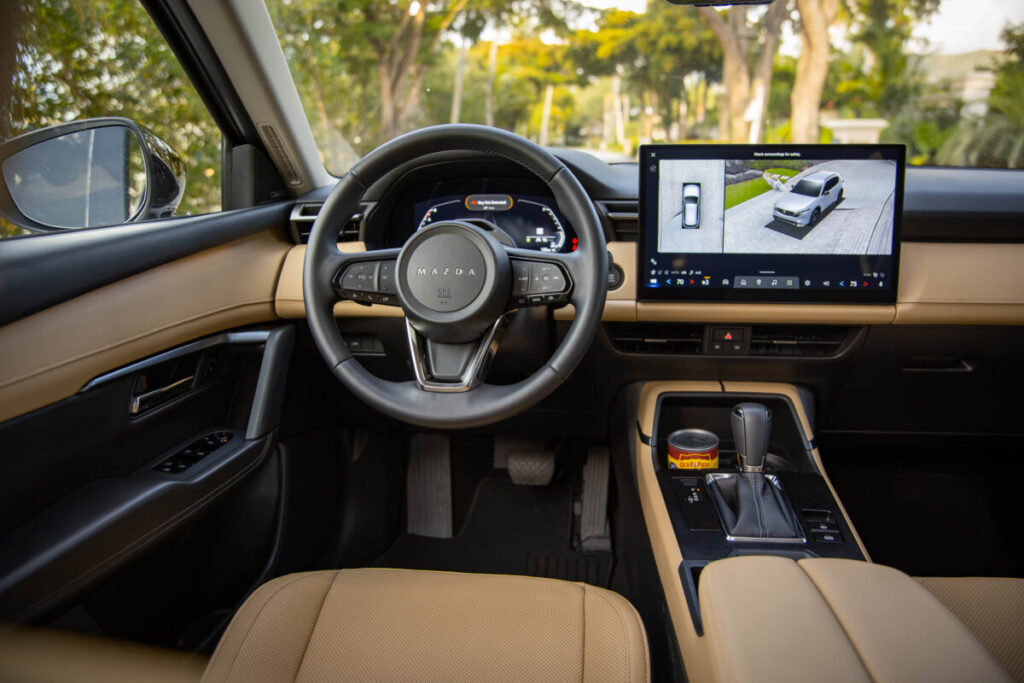
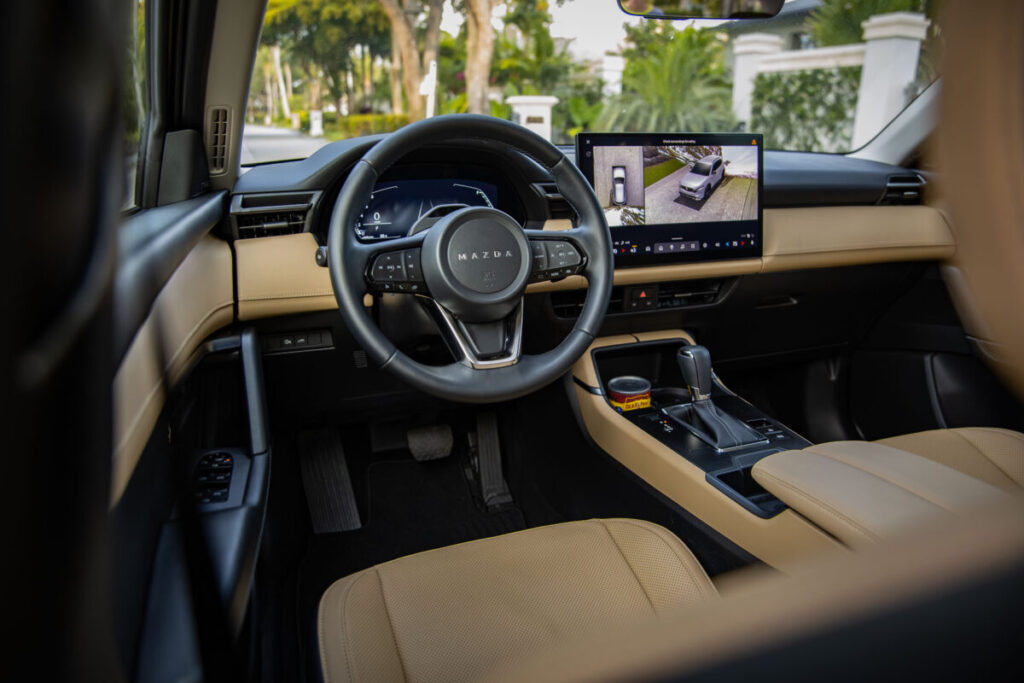
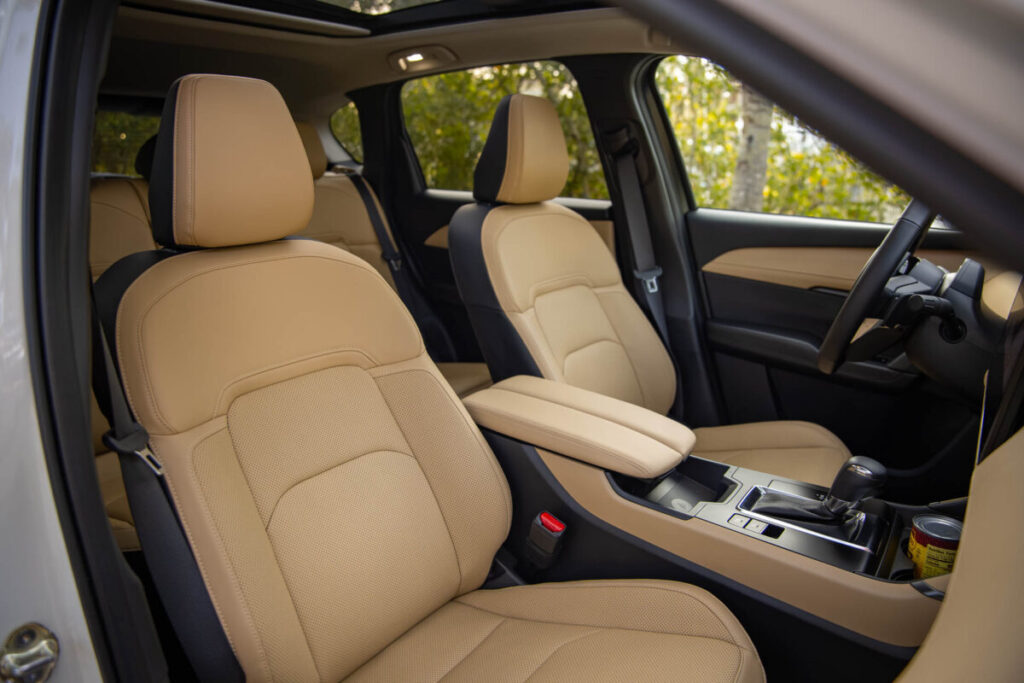
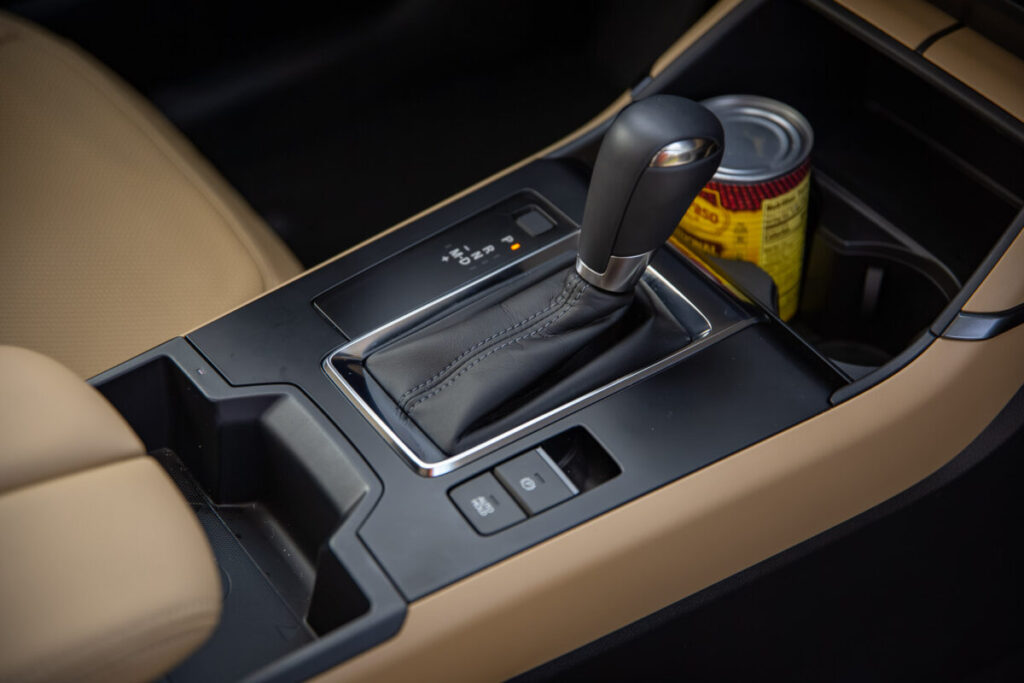
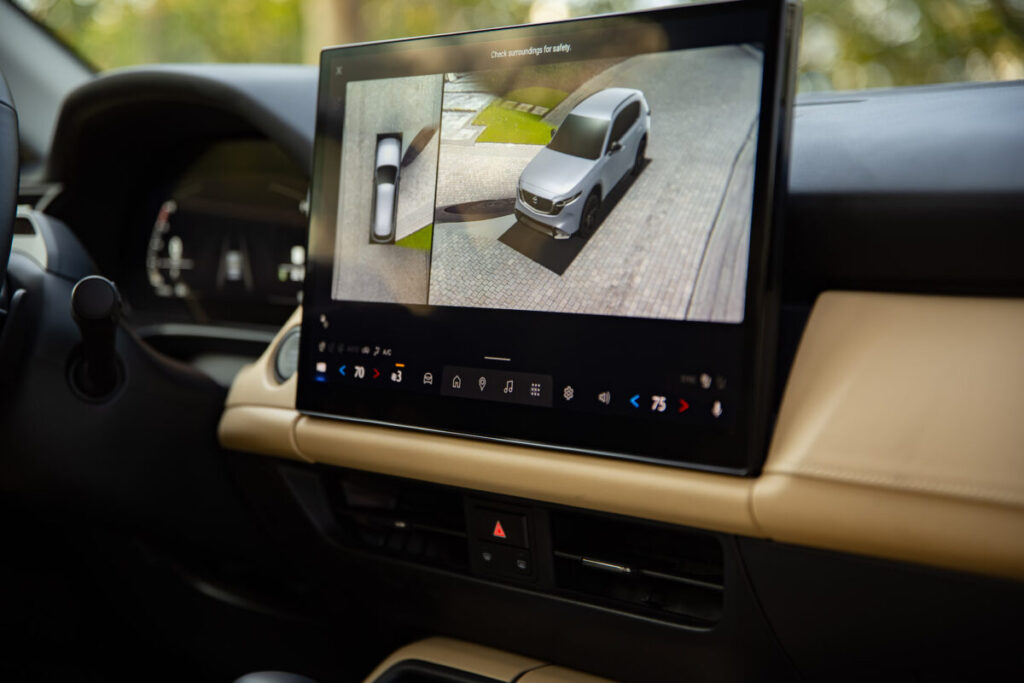
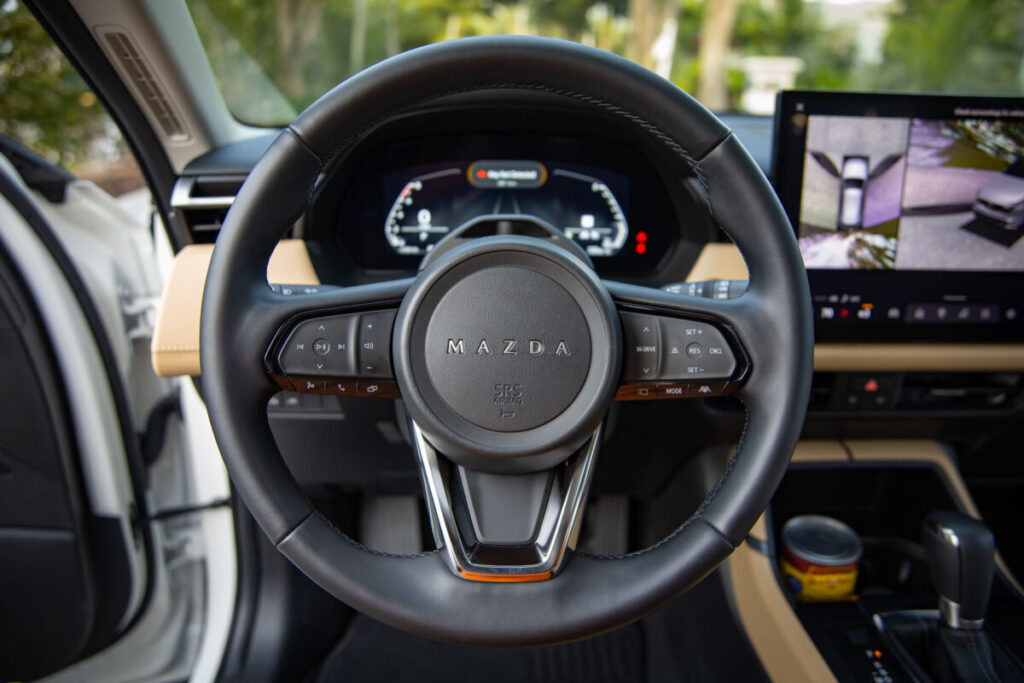
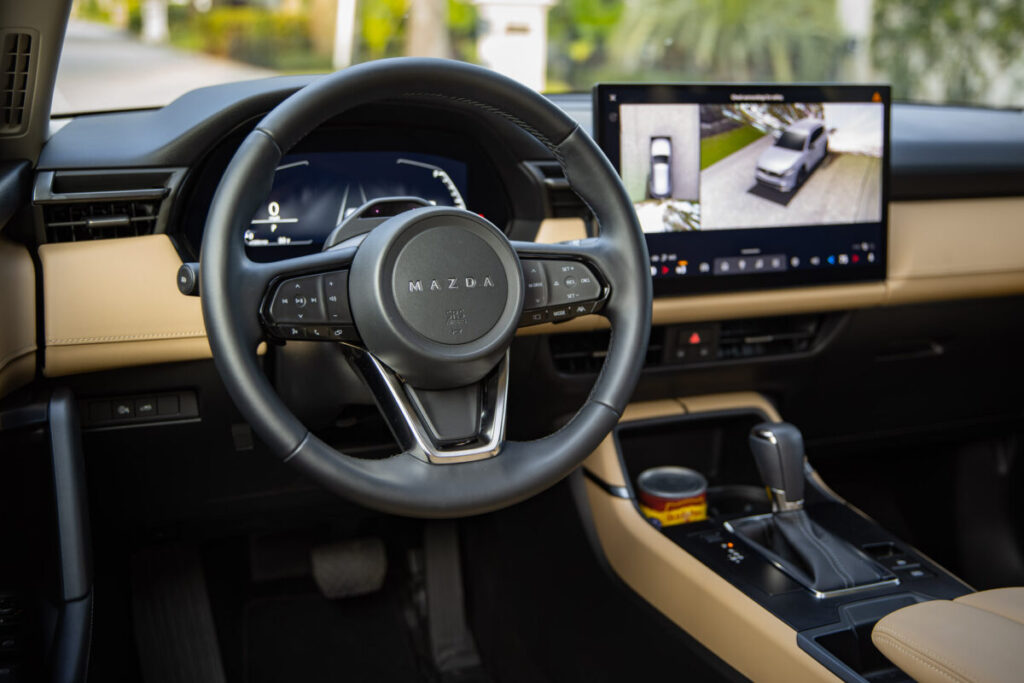
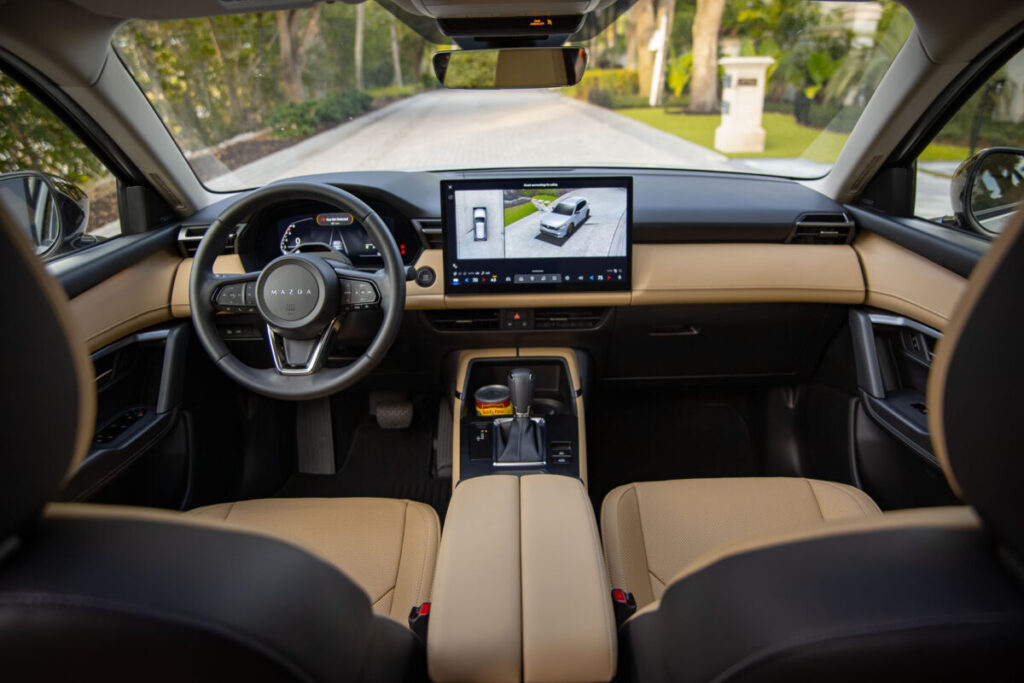
The interior and tech have seen some major changes for 2026. Mazda was always a big proponent of doing things its own way, which is why smaller touchscreens and the rotary dial remained in place, even when other automakers were full speed ahead to buttonless, touchscreen-heavy interiors. That all changes with the 2026 model. Mazda opted for a full touchscreen interior and the removal of the well-loved rotary dial, much to the chagrin of, well, most people.
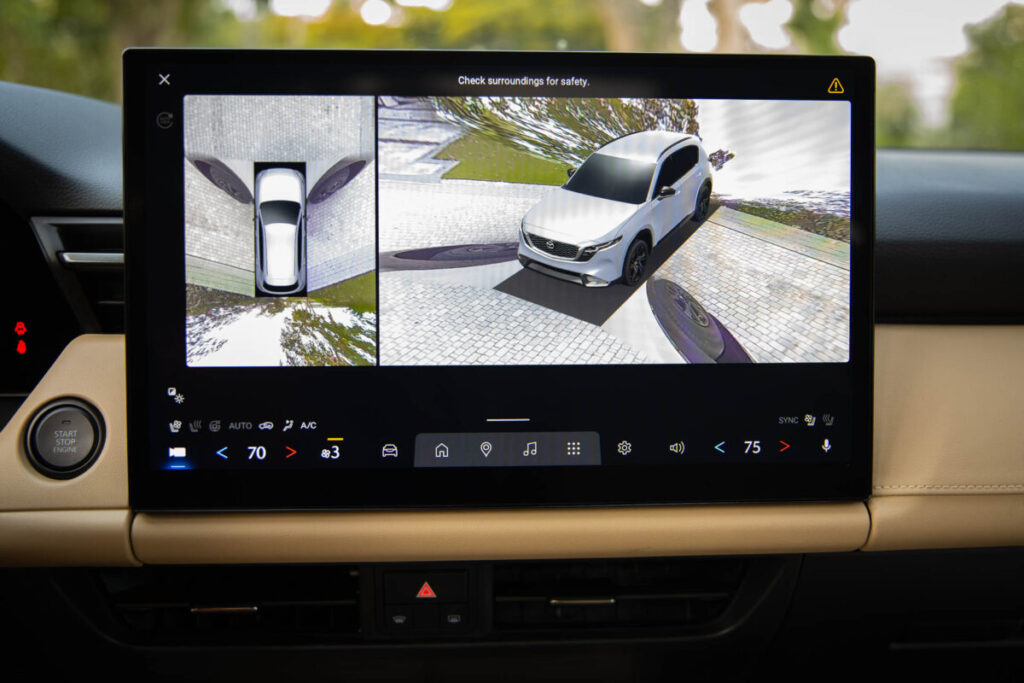
With the inclusion of Google built-in, it seemed like an alright strategy. When I used the touchscreen and the “Hey Google” feature on the first drive, they both worked well. This time, with the Mazda in my driveway and no experts around, the experience was a little different. For the first four days, the SUV seemed to have no internet connection. No Maps would display without my phone connected, no Sirius XM, and “Hey Google” didn’t work at all. The maps worked when connected via Bluetooth, but the Hey Google feature still didn’t work. It also didn’t work over Apple CarPlay. It kept telling me to connect via USB cable, but it didn’t work wirelessly. I was confused. In theory, all of this should have worked through Mazda Connected Services (free for the first year), but that was not the case.
Eventually, I connected to my home WiFi while sitting in the driveway. That must have done something, because Hey Google started working via Bluetooth the next day. It still didn’t work via CarPlay. I ended up taking it to the dealership, where they had no idea how to fix it. Eventually, it worked via CarPlay.
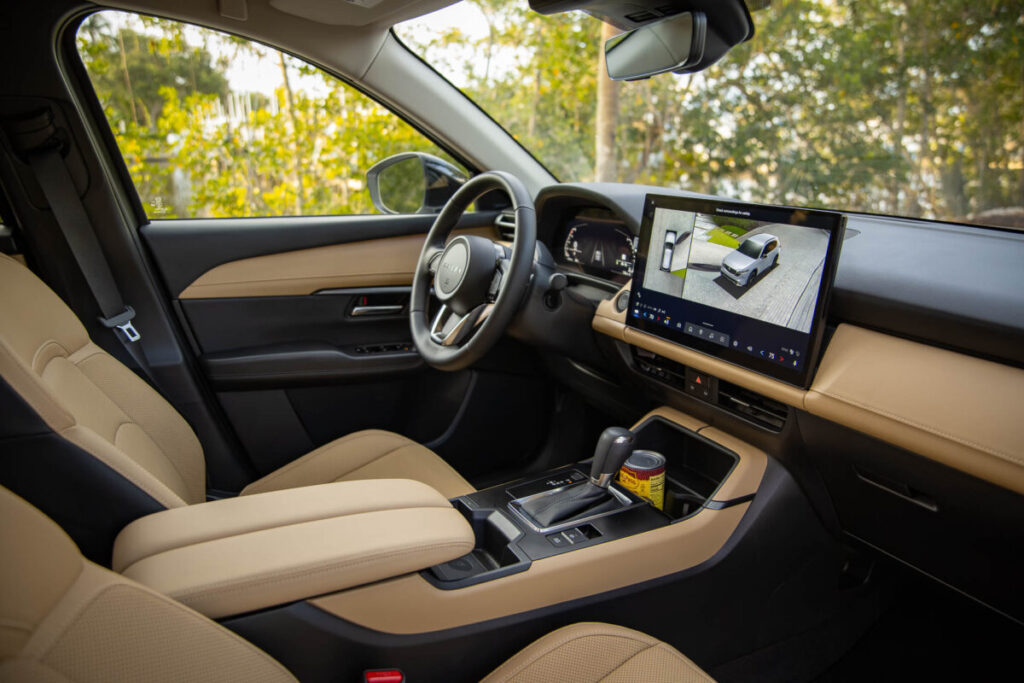
Realistically, the touchscreen is fine. You can’t really change the temperature or fan speed without looking at the screen, but I guess you can do that when you are sitting at a stoplight or while in traffic. Overall, I like the screen. It was large, clear, and fairly easy to use. There are many icons to sift through to find your intended menu, which seems like a far cry from the old infotainment system with just a few menu options. I also liked how clear the backup camera was on our large screen. Since we had the Premium Plus trim, ours was 15.6 inches.
I’m sure that after a few days, you would get used to the small climate control buttons on the screen. It just seems like a major change for something that didn’t necessarily need changing. I was pretty frustrated by how much effort it took to understand the car’s connected services, and a feature touted as helpful was actually not helpful at all. Maybe my particular car needed an update? Maybe connecting the app would have helped? I just know I’ve never had issues like this in a press car, and it felt like a far cry from the very early CX-90 press car I drove a few years back. I think a row of climate control buttons/knobs and less reliance on Google would have probably improved the experience.
However, as I mentioned, the standard ADAS systems and safety tech are excellent. You get a long list of features across the board, including:
- Automatic Emergency Braking
- Rear Cross Traffic Braking
- Forward Turn-Across Traffic Braking
- Emergency Lane Keeping
- Blind Spot Assist
- Traffic Sign Recognition
- Mazda Radar Cruise Control with Speed Limit Assist
Mazda Radar Cruise Control is one of my favorites, and Automatic Emergency Braking worked great during our week together. I’m also a big fan of Traffic Sign Recognition, helping me stay under the speed limit.
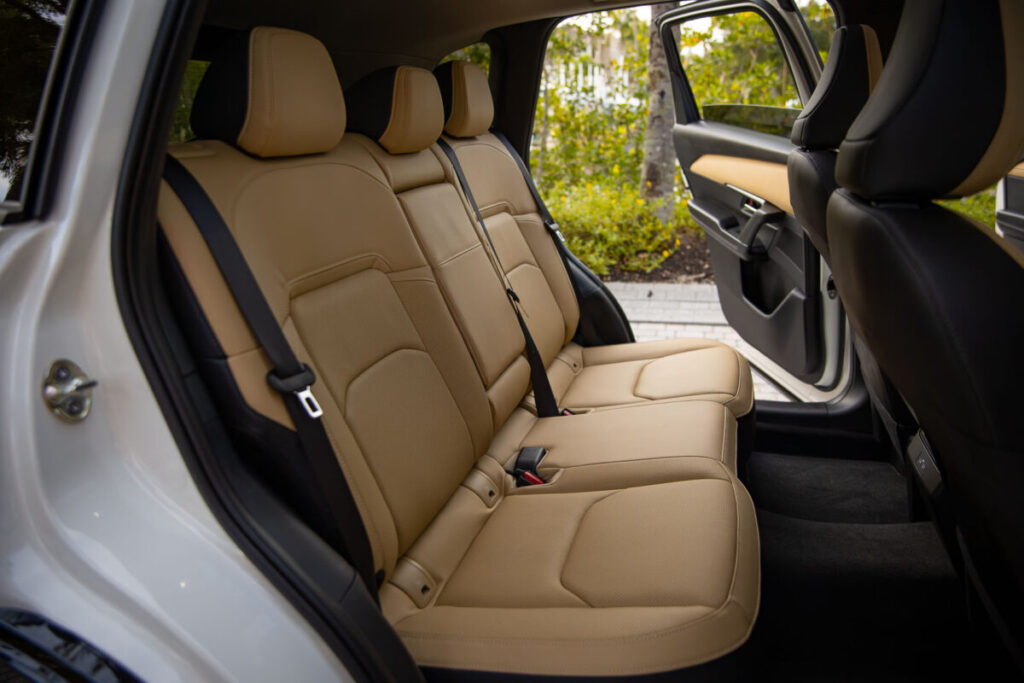
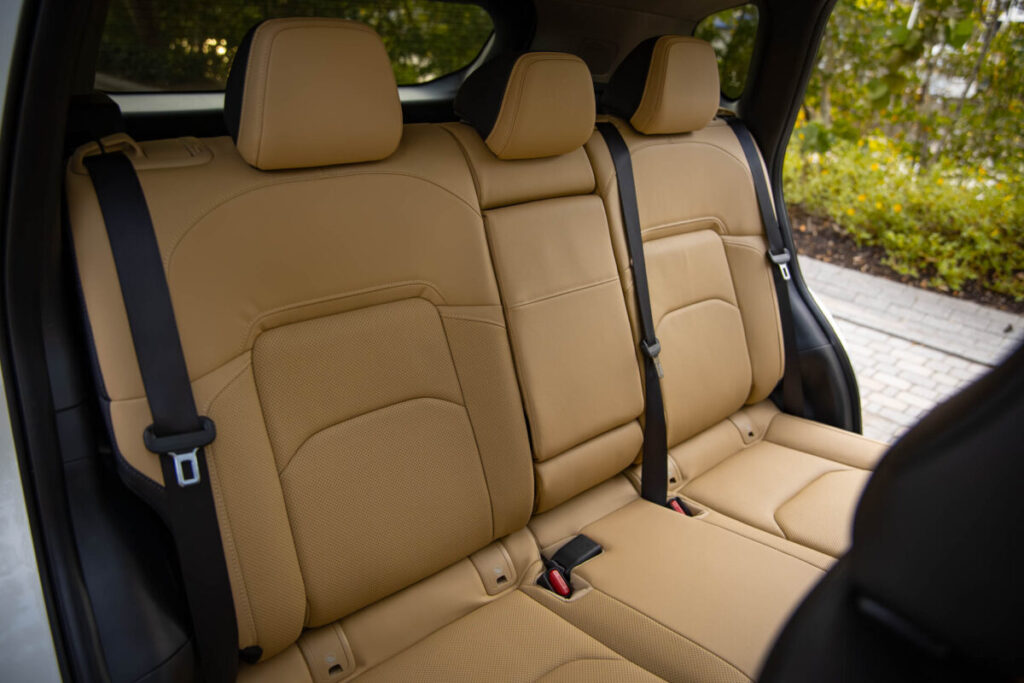
Another major change to the compact SUV is the back seat. When we spoke with Jannice Jacobson, Senior Manager of Strategic Planning, in California, she gave us some insight into these changes. The CX-5 team wanted to make better use of the SUV’s footprint by expanding the interior for added comfort. The seats are more spacious, and the second row has more headroom than before, perfect for your little ones and all of their belongings. Or, your adult friends and all of their long legs.
In addition to the extra space, the doors open wider for easier access. The kick plate on the entryway is also wider, making it easier to step onto to get in or out. Overall, there is just more space for everyone, no matter which seat they are in. And for the record, the cup holders passed all of our intense testing.
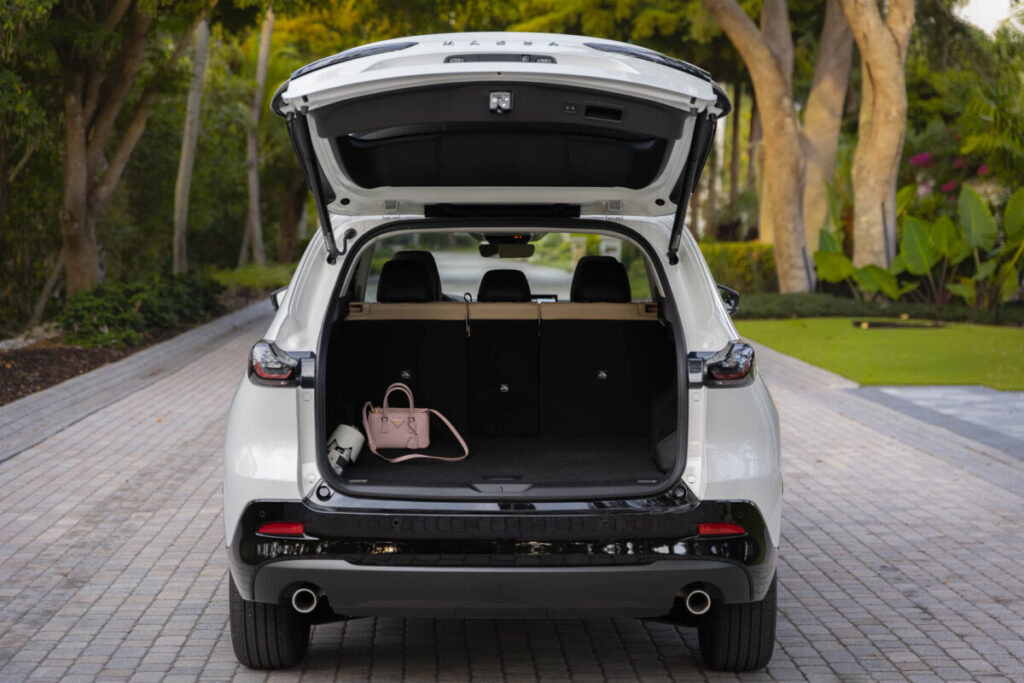
Finally, the cargo area has also received updates to increase space. The area is wider and taller, with a lower entry point, making it easier to load things in and out. I will say that getting the door to open was always a toss-up. It didn’t seem to want to open when I had the key on me and the car was on, and it also didn’t want to open from the inside if the car was on. It was a battle, haha.
The Good, The Weird, And The Misses
| Category | Score (Out Of 10) | Notes |
|---|---|---|
| Driving Experience | 8/10 | Performance, ride quality, steering, handling, acceleration, confidence |
| Daily Livability | 9/10 | Comfort, visibility, cargo, passenger space, practicality |
| Interior & Tech | 7/10 | Materials, screens, controls, sound system, usability |
| Design & Presence | 9/10 | Styling, stance, wheels, road presence, uniqueness |
| Value For The Money | 9/10 | Price vs features, competitors, overall experience |
| Total Score | 42/50 | 8.4/10 |
What stood out after spending time with it?
What I Loved
- Still drives like the CX-5 we all know and love, and feels a little more grown-up. The interior felt more spacious without making the SUV harder to drive or park – they just made great use of the space.
- The large door openings make getting in and out of the second row very easy, and the cargo area is more spacious for all of your belongings.
- Mazda just makes a great, comfortable, liveable, and good-looking vehicle. All of that remains true in the new CX-5.
What Felt Weird
- Because of our large screen, the air conditioning vents are now in an awkward position. I kept looking to adjust the vents so they hit my face a little more, but they now have to be angled up from under the screen, making them slightly less useful. Also, large cups will inevitably block some of the airflow.
- I’m sure you would get used to the touchscreen climate controls, but I wish there were an easier way to make small adjustments without using the screen.
- I wish the back door would just open when you ask it to. The button didn’t always work if the car was on, and the key didn’t always work, either. It seems there is some secret to getting the door to open when you want it to, one that I was not privy to.
Final Verdict: Would I Actually Recommend It?
I would still absolutely recommend the 2026 Mazda CX-5. While I’m firmly in the camp that believes physical buttons and knobs are almost always the better solution, I think most owners will adjust to the new touchscreen after a week or two. My bigger frustration was with the connected services, which didn’t always work as expected during my time with the vehicle. I think a few updates and tweaks will smooth that out over the next few months, though.
Even so, those issues weren’t enough to overshadow what Mazda continues to do exceptionally well. The CX-5 is comfortable, enjoyable to drive, looks more expensive than its price tag suggests, and still offers one of the best driving experiences in the compact SUV segment. The cabin is quieter, the added passenger and cargo space make it more practical, and the safety technology works exactly the way you want it to.
If you’re shopping for a compact SUV around the $30,000 mark, the CX-5 deserves to be on your shortlist. It isn’t perfect, but it still feels like a vehicle built for people who genuinely enjoy driving, and that’s becoming harder and harder to find.