
Gordon Murray has a new supercar, and there is a lot going on here. The new S1 has three seats, with the driver right in the middle; a naturally aspirated Cosworth V12 that revs to 12,100 RPM; and a six-speed manual transmission. Oh, and only 64 will exist. I’m ready for a ride, Mr. Murray.
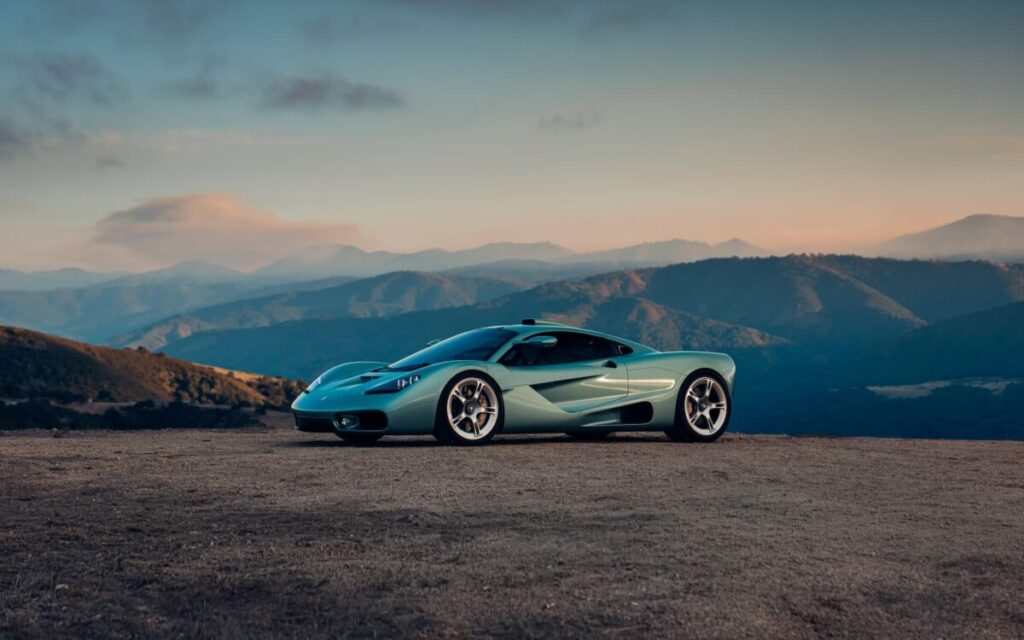
The Gordon Murray Special Vehicles S1 made its global debut at The Quail during Monterey Car Week. It was developed from the S1 LM platform, but instead of focusing on the most extreme road-legal experience possible, the S1 is designed for long-distance driving. Who wouldn’t love a road trip in this masterpiece?
Think less race car for the road and more V12 road-trip machine. Not exactly your average grand tourer, but I’m into it. We can always count on GMSV to do things a little differently, but with excellence all the way through.
Three Seats And A 12,100-RPM V12
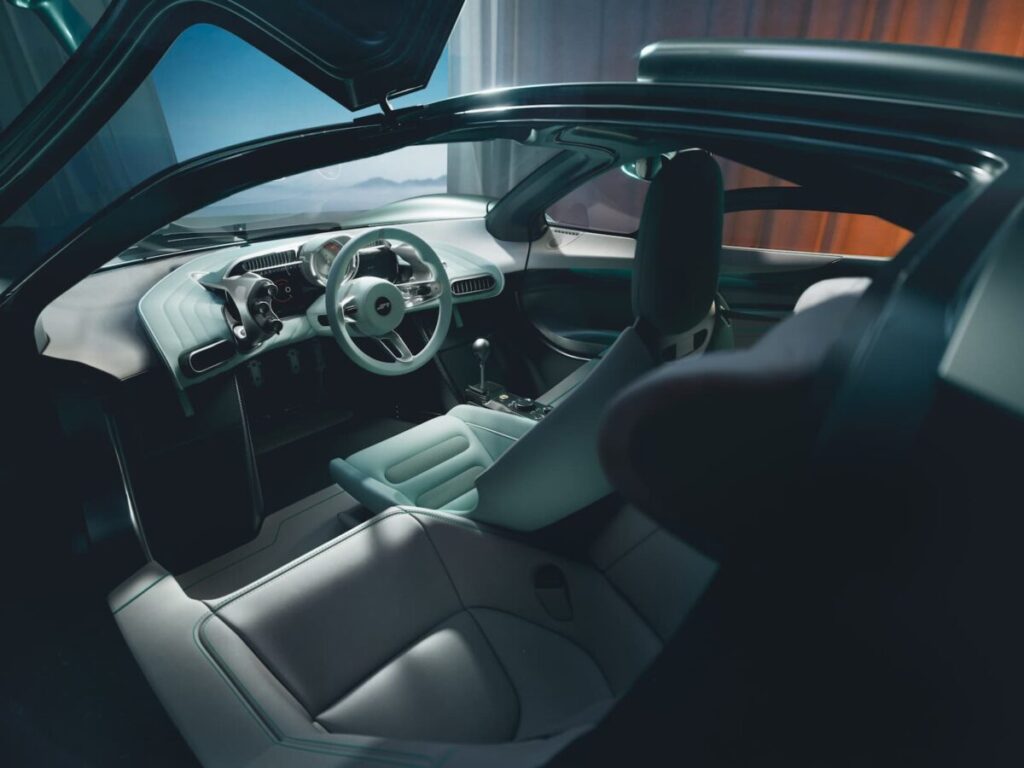
Let’s start with that seating arrangement. The S1 retains Gordon Murray’s central driving position, putting the driver in the middle with room for two passengers alongside. The S1’s three-seat layout should look familiar to McLaren F1 fans. Gordon Murray led the development of the legendary F1 road car, which also put the driver in the center with two passenger seats alongside. More than three decades later, that unusual seating philosophy lives on in the S1, giving the new car a pretty direct visual connection to one of Murray’s most famous creations.
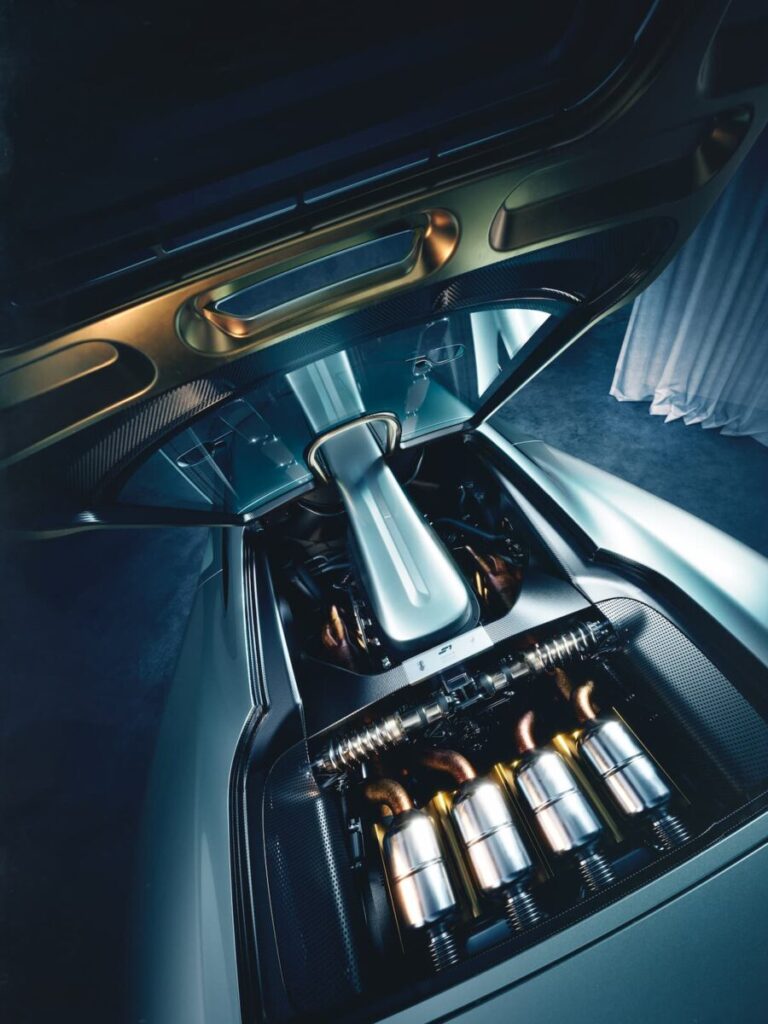
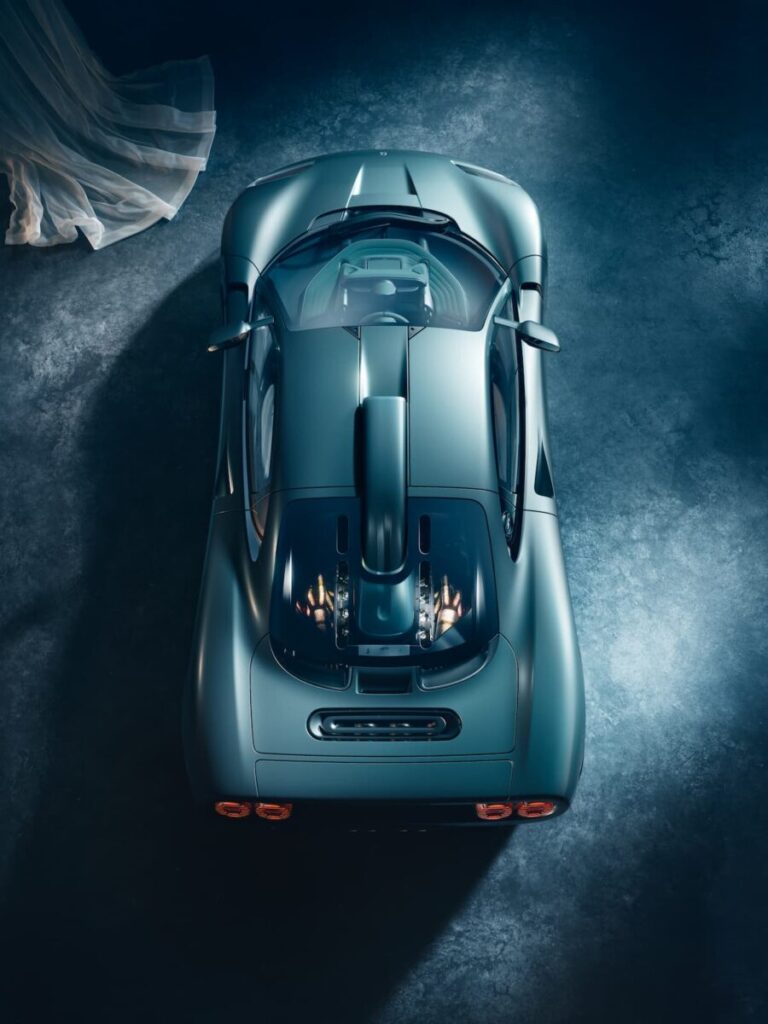
The three-seat layout is paired with a bespoke 4.2-liter naturally aspirated Cosworth V12 producing up to 690 PS, or about 681 horsepower. More importantly, the engine revs all the way to 12,100 RPM.
| Gordon Murray S1 | Specification |
|---|---|
| Engine | 4.2-liter naturally aspirated Cosworth V12 |
| Maximum Power | Up to 690 PS (681 horsepower) |
| Redline | 12,100 RPM |
| Torque | Around 500 Nm at 7,000 RPM |
| Transmission | 6-speed manual |
| Layout | 3 seats, central driving position |
| Architecture | Carbon-fiber monocoque derived from S1 LM |
| Aerodynamics | Integrated active rear aero |
| Ride Height | 10 mm higher than S1 LM |
| Production | 64 cars worldwide |
| Price | Undisclosed |
The V12 uses competition-spec components including lightweight silicon carbide-coated pistons, titanium valves, titanium connecting rods, and a dry-sump lubrication system. Gordon Murray also wanted the engine to work well for normal road driving, so 80 percent of its torque is available from just 2,500 RPM, with around 500 Nm available at 7,000 RPM. I hope we get to see some of these doing normal road driving.
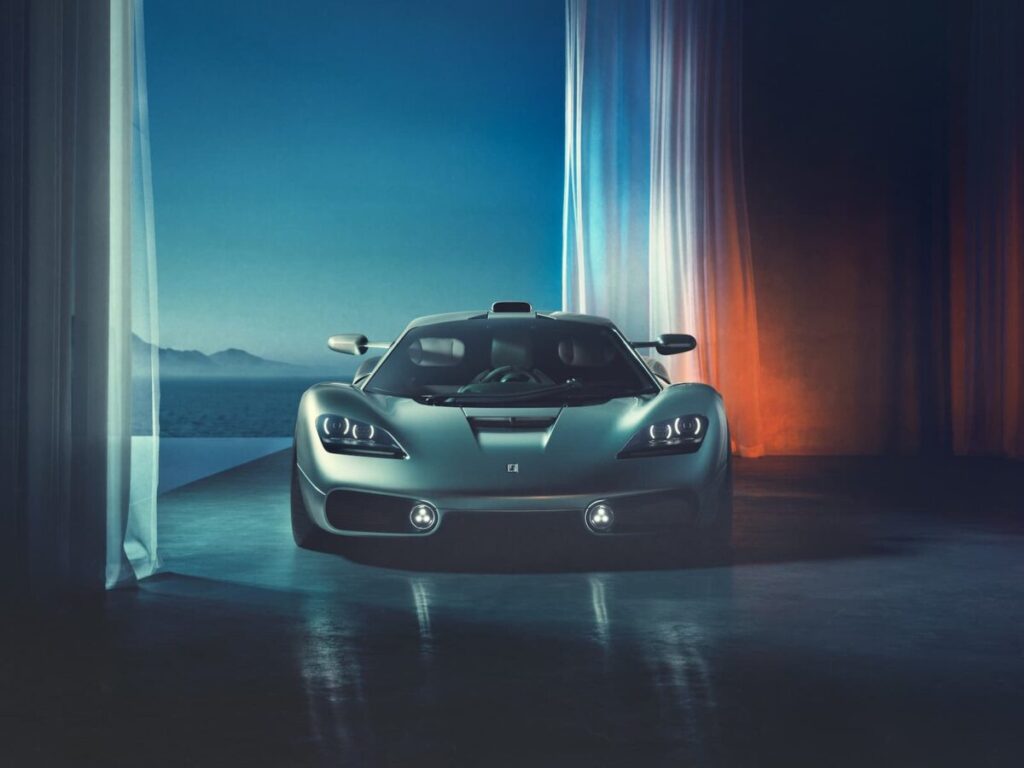
And yes, you still have to shift it yourself. The S1 gets a six-speed manual transmission with a taller, touring-focused sixth gear as standard. GMSV also revised the gearbox cable routing to improve shift feel.
The S1 Is Built For The Road
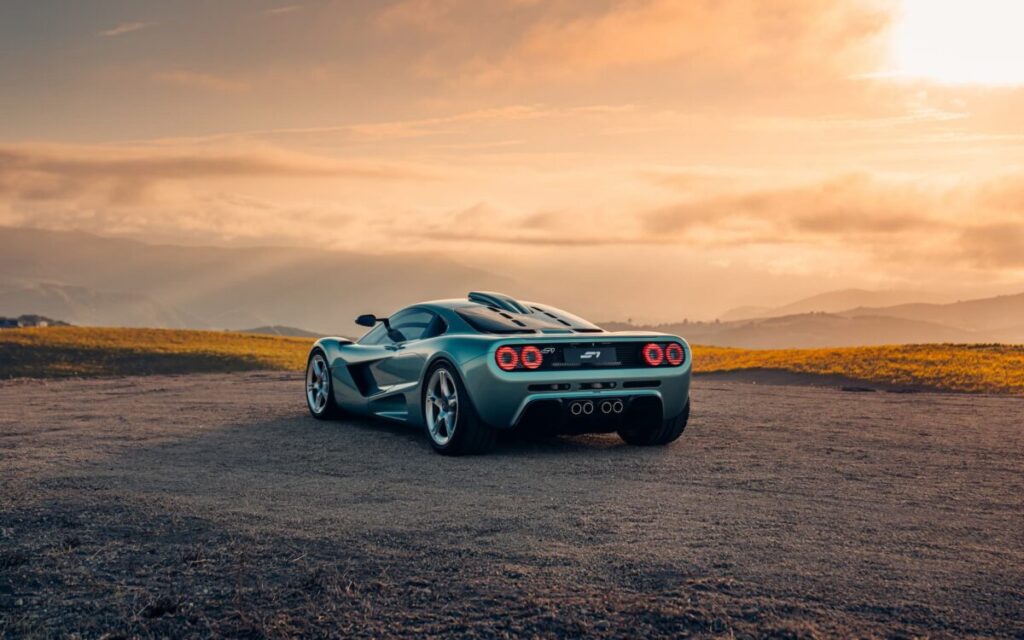
The S1 shares its basic platform and design language with the S1 LM, but Gordon Murray has given the two cars very different jobs.
The S1 LM was created as a much more intense, race-inspired road car. The S1 takes that basic idea and makes it better suited to fast, long-distance road driving.
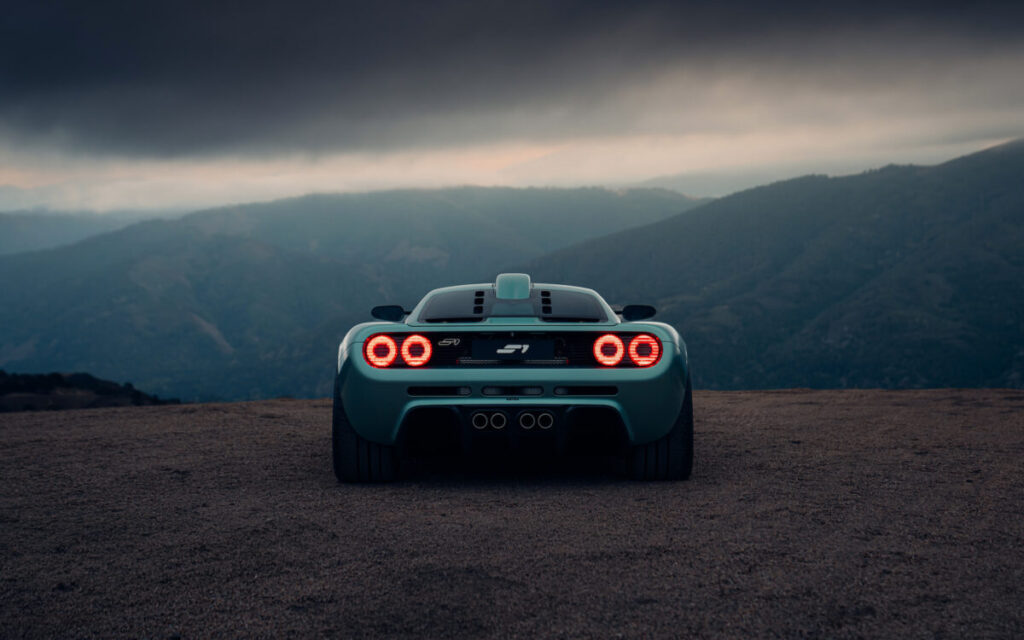
That meant more than simply removing a giant wing. Every exterior body panel is new. The S1 LM’s fixed rear wing, long front splitter, and deep side skirts are gone, and the S1 instead uses an active rear aero system integrated into the bodywork.
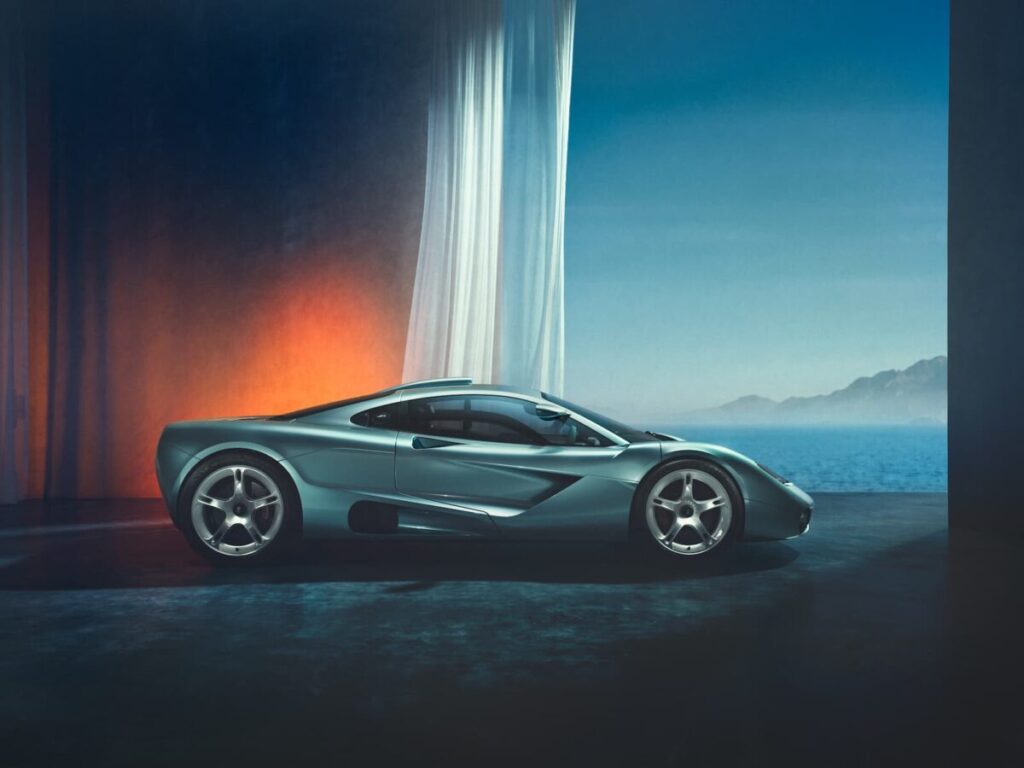
The suspension has also been revised. Ride height increases by 10 mm compared with the S1 LM, while the damping has been retuned for additional comfort and compliance. The focus here is less on extreme downforce and more on mechanical grip, balance, and confidence on the road.
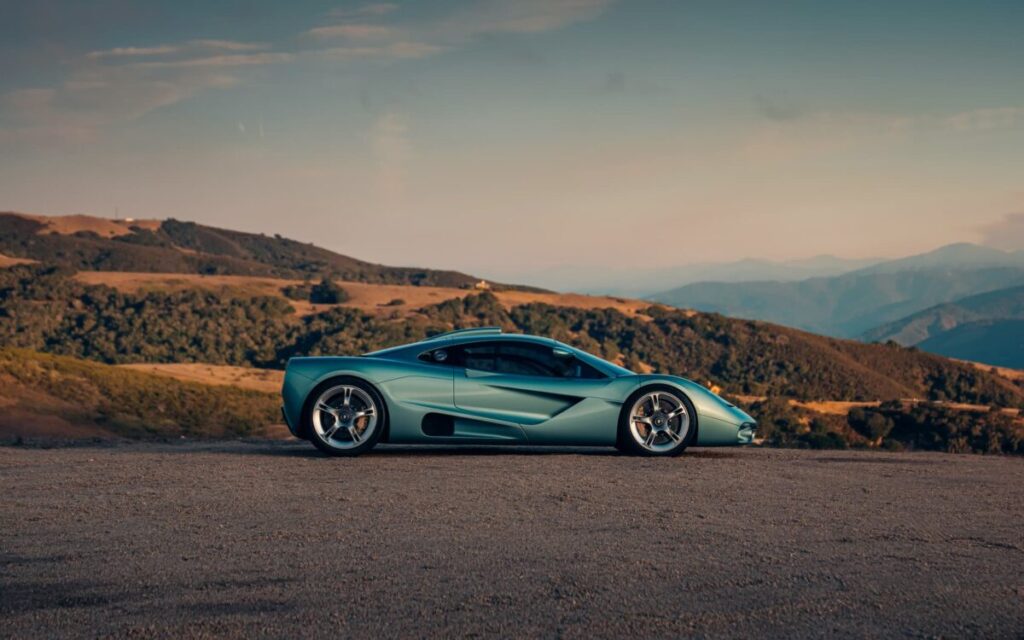
Weight is still a major priority. The S1 uses ultra-lightweight carbon-fiber body panels and lightweight suspension components, and Gordon Murray is targeting an overall weight below that of the T.50. That’s despite the S1 getting a more luxurious interior, upgraded audio system, and additional acoustic insulation.
This Might Be Gordon Murray’s Idea Of A Road-Trip Car
The central driving position remains the star of the cabin, but the rest of the interior has been reworked to make those longer drives a little more comfortable.
The three-seat cabin gets premium leather, bespoke fabrics, more comfortable touring seats, revised infotainment screens, additional acoustic insulation, and a bespoke lightweight audio system.
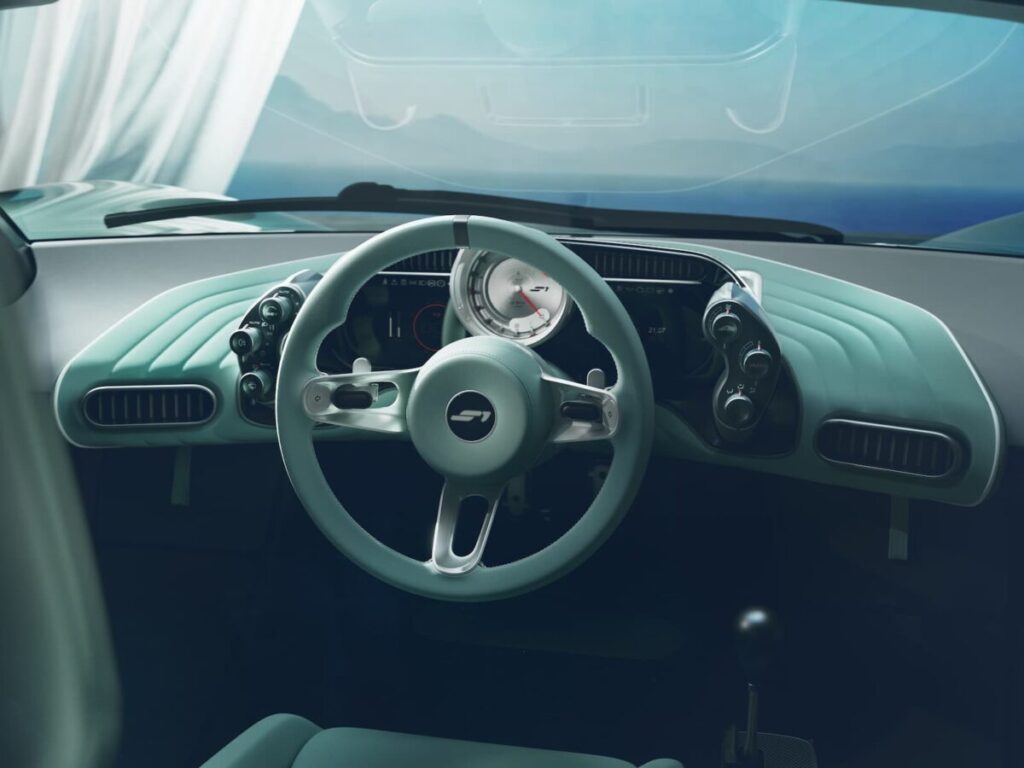
Even getting inside should be easier. New dihedral doors with drop-down glass replace the race-inspired Lexan ticket window used on the S1 LM, and the wider openings are designed to improve entry and exit.
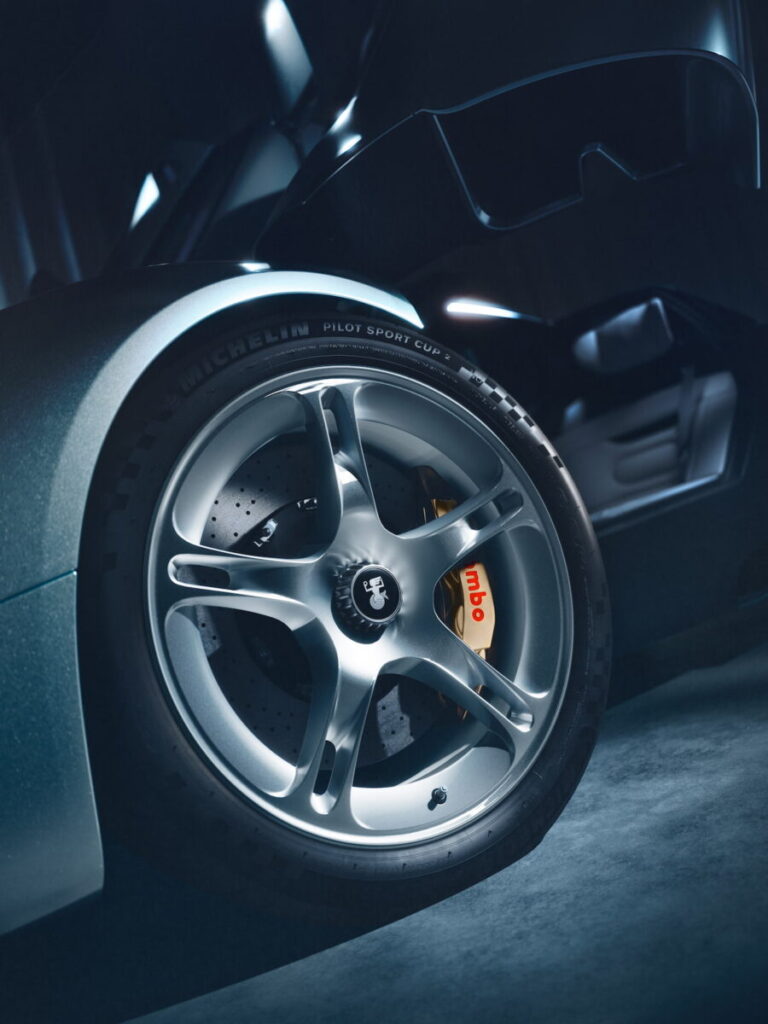
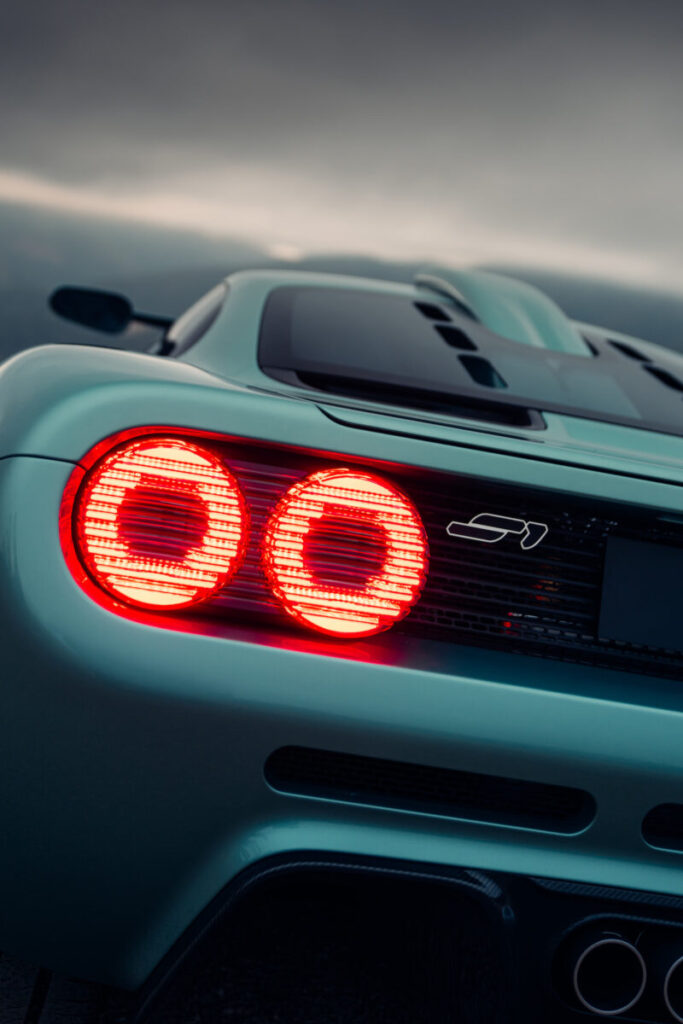
There are some pretty wild details elsewhere, too. The V12 sits beneath a polished Inconel exhaust and a 24-carat gold-plated heat shield. The S1 also gets new lightweight wheels, unique lighting, and A-pillar-mounted mirrors with an integrated rear-view camera system.

Only 64 examples of the S1 will be produced worldwide, and every car will be individually commissioned and specified by its owner. Pricing hasn’t been announced.
A three-seat supercar with the driver in the middle, 681 horsepower, a 12,100-RPM naturally aspirated V12, and a six-speed manual isn’t exactly what comes to mind when someone says “touring car.”
Apparently, Gordon Murray has a slightly different definition of a road trip. Whatever it is, I’ll bring the snacks.